

How trust, emotion, and the human face defeat algorithms
In 2026, we expect marketing to face the truth. The hype bubble around artificial intelligence (AI) is starting to deflate, revealing a harsher reality: technologies are merely tools, not a substitute for strategy. Today, success does not depend on a glossy interface, but on a business’s ability to integrate the customer experience directly into its operational structure, turning it into real value rather than a marketing slogan.
For professionals in Bulgaria, this is both a challenge and a massive opportunity. While global leaders experiment with huge budgets, we can apply these trends in a rational, intelligent, and efficient way. We offer you a detailed analysis of what lies ahead and how to prepare your business.
The rise of media with a human face
In a world flooded by AI-generated content, authenticity is becoming the most precious commodity. Consumers are massively leaving the open web and stopping-or tuning out-corporate messages. Instead, they prefer to trust individuals.
The human-first media trend means that the most valuable advertising space is no longer a banner on a major website, but rather an expert’s personal profile, a content creator’s niche newsletter, or increasingly popular podcasts. In Bulgaria, this is especially visible on LinkedIn and specialized Facebook communities.
Local tip: Stop hiding behind the corporate logo. Encourage the experts on your team to become the faces of the brand. The Bulgarian consumer is suspicious by nature and trusts a recommendation from a real person much more than a sponsored post. And besides, many companies are already doing it because they see real benefits!
Searcho evolution form SEO to GEO
Traditional Google search is undergoing a fundamental shift, no matter how much they claim that 83% of users still use them alongside YouTube daily. With the rise of tools like Gemini and ChatGPT, users know they have an alternative to clicking on a list of ten blue links. Therefore, they engage in a dialogue with the machine and expect it to understand the context of their search. This necessitates a transition to Generative Engine Optimisation (GEO). Here, the goal is not just to be on the first page, but to be the source that the artificial intelligence cites in its response. If your brand is not on the radar of large language models (LLMs), you practically do not exist for the new generation of buyers.
What to do? Focus on creating authoritative content by following a question-and-answer model. Optimize not for keywords, but for user intent. Since the sector is expected to grow by nearly 14% annually, visibility no longer just means keyword ranking, but presence everywhere people ask questions – from AI Overviews to voice assistants.
More on the topic of AI in digital marketing in 2026 will be shared on our blog very soon.
Carpe diem
Economic uncertainty has changed shopping psychology. Instead of saving for major purchases that seem out of reach or burdening themselves with unaffordable loans, people are focusing on instant gratification. The so-called “small treats” culture is thriving.
In Bulgaria, this translates into increased consumption of cosmetics, gourmet foods, small tech gadgets, and short trips. Consumers are looking for dopamine here and now.
Marketing strategy: Adapt your loyalty programs. Instead of complex point-collection systems that take months to earn a bonus, offer immediate small rewards. Make shopping with you a small celebration in people’s everyday lives.
Video and social commerce
The convergence of entertainment and commerce is a fact. Short (Reels/TikTok) or longer video formats are turning into a direct shopping tool rather than just a means of driving engagement. Social commerce revenues continue to grow through formats like live shopping, shoppable posts, and in-stream checkout directly within the platforms.
IAB data shows that 86% of advertisers already use AI to produce video ads, making the market extremely saturated. According to forecasts, by the end of 2026, these ads will account for about 40% of all video content. The key to success here is interactivity. The video must not simply tell a story, but feature product overlays that allow one-click purchasing without leaving the platform.
Retro nostalgy
Nostalgia is not just an emotion. It is a powerful sales tool. In 2026, we will see more and more brands digging into their archives. It is about connecting generations through familiar motifs, such as Nintendo’s advertising with actor Paul Rudd.
Local context: For the Bulgarian market, this often means the aesthetics of the 80s and 90s, but viewed through a modern lens. And we have already seen it happen more than once, such as with Zagorka Retro. Use familiar sounds, color palettes, or fonts that evoke pleasant memories. This instantly builds trust and sympathy for the brand.
Privacy-focused data
The end of third-party cookies is a fact. Regulations are becoming stricter, and users are increasingly sensitive about their data. Your main competitive advantage in 2026 will be the database you have built yourselves with your customers’ consent (first-party data).
According to the latest forecasts from WPP Media, global digital advertising exceeded $1 trillion in 2025, with the digital segment accounting for 73.2% of total ad revenue. At the same time, an EMARKETER projection indicates that advertisers are expected to allocate 66% of their digital budget to mobile devices. Therefore, you need to build a data backbone in the form of a robust Customer Data Platform (CDP) that unifies offline and online signals.
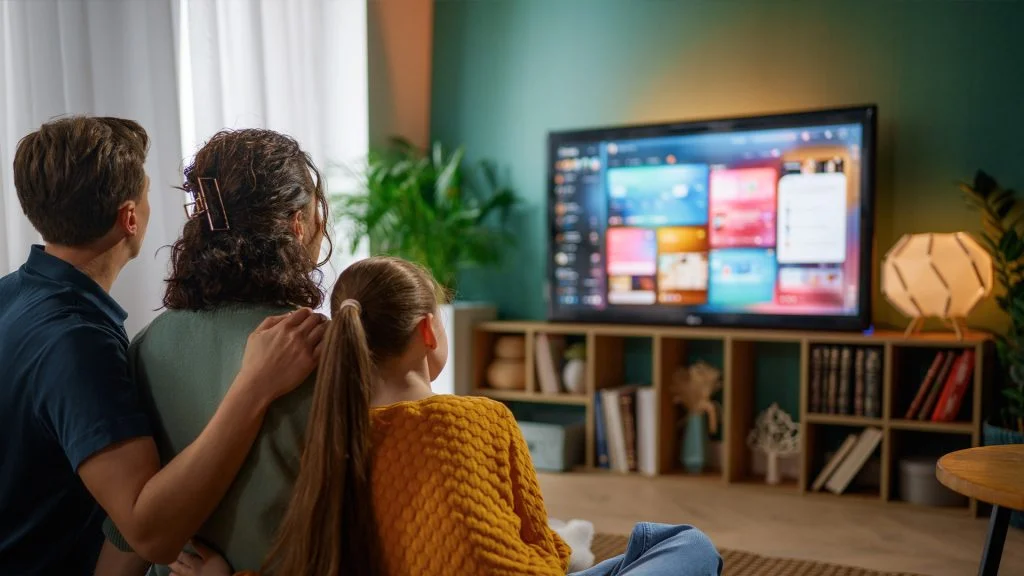
Connected TV (CTV) is the new era of television
The transition from linear to connected television is accelerating rapidly. In the U.S., CTV ad spending is expected to exceed $37 billion, and in Bulgaria, this trend is beginning to be felt through the increased use of smart TVs and streaming platforms.
CTV offers the best of both worlds: the emotional impact of the television screen and the precise targeting of digital marketing. You can now show an ad to a specific household in Sofia based on their interests, rather than just the show’s rating. Programmatic buying also allows smaller brands to enter television advertising without a huge budget. Unlike traditional television, CTV allows for much more accurate tracking of post-view conversions.
Influencers as strategic partners
The era of sponsored posts is coming to an end. In 2026, influencers are evolving into strategic partners. They are involved in product design, campaign planning, and even community management.
The brands that will win are those that stop controlling every word of content creators and allow them to be authentic. It is better to have a smaller reach but higher engagement in a niche community than millions of aimless impressions.
And a quick note on the young audience: Today’s young consumers are digital creators who do not just consume content, but want to actively participate in recreating it. Brand success is no longer measured solely by campaign reach, but by building unique universes where the community becomes a co-creator using tools like the Veo 3 AI model. Instead of telling stories to consumers, in 2026 you must create worlds together with them by providing resources (sounds, characters, assets) for co-creation. This approach transforms temporary attention into long-term brand loyalty.
Visual tendencies and design
Design in 2026 is moving away from cold digital perfectionism. Leaders like Adobe and Canva believe that tactile textures and the “Imperfect by Design” style will take the lead. People want to see something that clearly looks like it was made by a human rather than a soulless machine. Expect a return of handwritten fonts, collages, and surreal visuals.
This is an extremely extensive topic, so we will dedicate a special article to it.
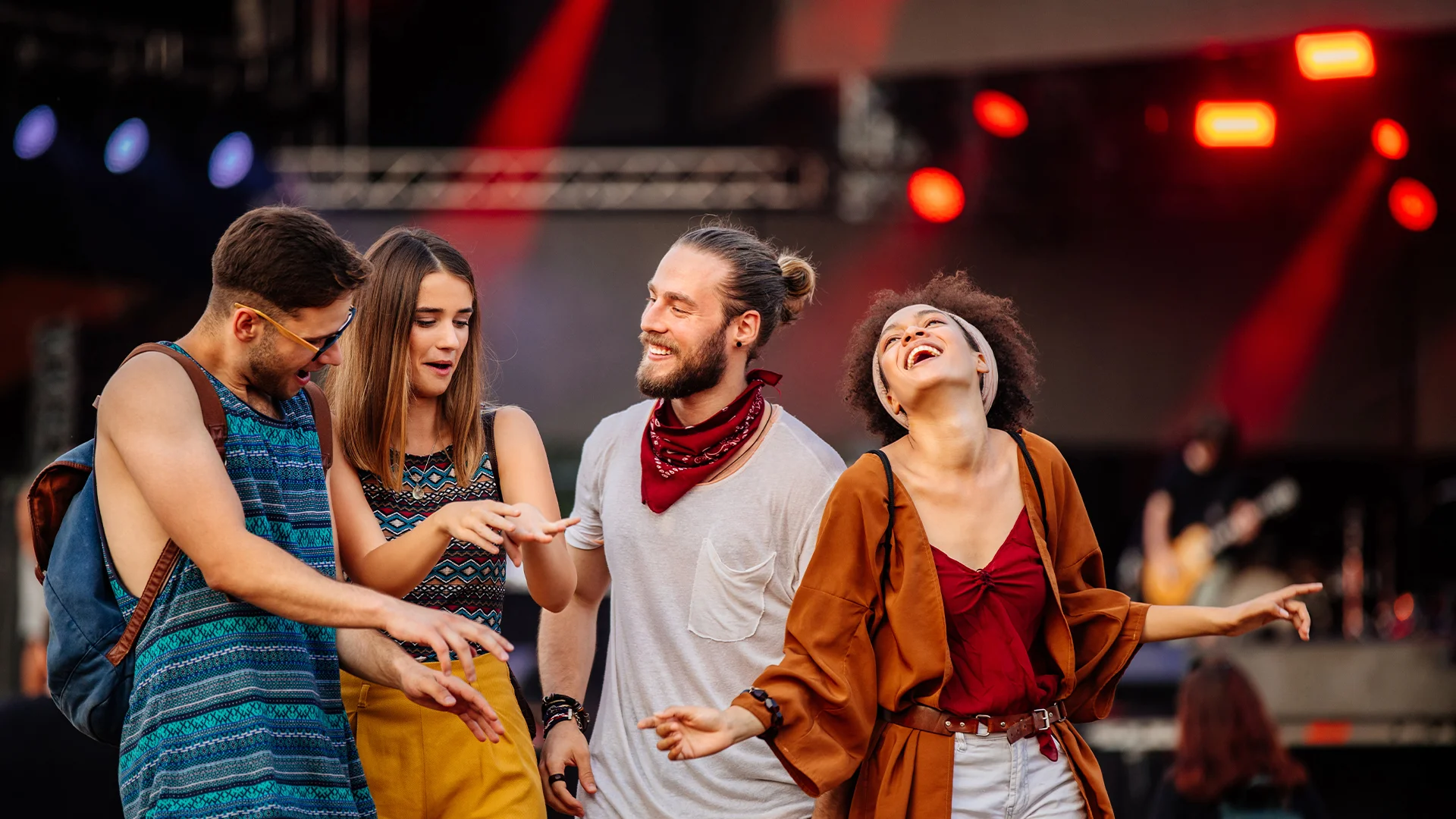
Return to offline events
After years of digital isolation, the pendulum is swinging back. Forrester predicts that in 2026, one third of consumers will prefer offline interactions over online ones. People are craving tactile, personal experiences.
We see global brands investing in cafes, pop-up stores, and live events. In Bulgaria, this is a massive opportunity for brands to step off the screen and meet people at festivals, in parks, or in conceptual physical spaces.
Why is it important? The offline experience leaves a more lasting emotional footprint that no algorithm can recreate.
From wishful thinking to measurably verifiable sustainability
In 2026, vague corporate promises of environmental commitment are giving way to concrete and measurable consumer benefits. Marketers must stop talking abstractly about saving the planet and instead highlight real advantages like durability, energy efficiency, or cost savings. When sustainability is presented as a smart choice rather than a sacrifice or a luxury, it builds trust by proving the brand’s value through every single product.
Are you already incorporating some of these listed trends into your strategies? We are confident that among them, there are those that would be extremely suitable for your campaigns. If you would like to share with us or need advice for your current campaign, get in touch with us!